Helsinki mandates electric minibuses and all-electric fleets for taxi services
Finnish capital city Helsinki has updated its vehicle and transport procurement criteria for 2026–2030, requiring battery-electric cars, vans and minibuses while introducing stricter requirements for contracted transport services. The City of Helsinki has introduced the updated environmental criteria with immediate effect, according to information published by the municipality on 17 September. The criteria cover the […]
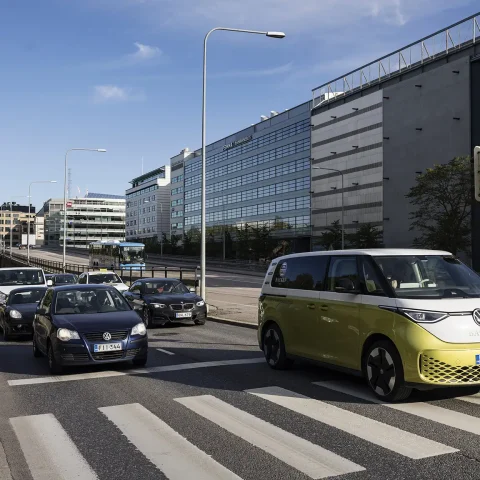
Finnish capital city Helsinki has updated its vehicle and transport procurement criteria for 2026–2030, requiring battery-electric cars, vans and minibuses while introducing stricter requirements for contracted transport services.
The City of Helsinki has introduced the updated environmental criteria with immediate effect, according to information published by the municipality on 17 September. The criteria cover the city’s own vehicle purchases as well as transport services procured from external operators.
According to the City of Helsinki, the criteria were prepared following consultation with the market and industry experts. They address the requirements established by Finland’s Clean Vehicles Act (740/2021), while setting requirements that are stricter than those contained in the legislation.
Helsinki shifts cars, vans and minibuses to BEV
Helsinki now procures only battery-electric passenger cars. Under the updated criteria, vans and minibuses purchased by the city will also be required to be battery-electric.
At the end of 2025, battery-electric vehicles represented 30% of passenger cars and 13% of vans registered to the City of Helsinki, according to the municipality.
The requirements for heavy-duty vehicles differ because the criteria provide for several powertrain options. Heavy vehicles will primarily be purchased with battery-electric, hydrogen or biogas powertrains, depending on vehicle availability.
In brief
- What vehicles will Helsinki buy as battery-electric models?
Passenger cars, vans and minibuses will be procured as battery-electric vehicles. - What is required for contracted van transport?
At least 50% of the fleet used to provide contracted van transport services must be electric. - What powertrains are specified for heavy vehicles?
Helsinki will primarily procure battery-electric, hydrogen or biogas heavy vehicles depending on availability. - Do the criteria also cover bus and truck transport services?
Yes. These services must use at least renewable diesel, with electric, hydrogen or biogas vehicles required where market conditions allow.
Three biogas-powered trucks are scheduled to enter the fleet of Stara, Helsinki’s municipal construction services organisation, in autumn 2027. The city has already acquired several electric trucks.
The City of Helsinki states that electrification of road transport is progressing faster in the Helsinki region than in Finland as a whole. Electrification of passenger cars and vans is already at an advanced stage, while the transition has also started in the heavy-duty segment.
EV requirements extended to Helsinki transport service contracts
The new criteria also apply to transport services contracted by the city. Passenger-car transport services, including taxi services, will be required to use battery-electric vehicles.
For transport services operated with vans, at least 50% of the vehicles used to provide the service must be electric.
Different requirements apply to truck and bus transport contracts. These services must use at least renewable diesel. Battery-electric, hydrogen or biogas vehicles can be required where market availability permits.
According to the City of Helsinki, renewable diesel will be used as a transitional option for internal-combustion vehicles. The municipality states that it will discontinue its use once zero-emission alternatives are widely available.
The city also recommends applying the criteria to procurements in which transport represents one component of a broader contract, including contracts covering products such as exchange mats and furniture.
The requirements are binding on Helsinki City Executive Office, all city divisions, Stara and Service Centre Helsinki. Entities belonging to the wider Helsinki City Group are also recommended to follow the criteria and promote their objectives within the limits of the legislation governing each organisation.