Hess acquires Kiepe’s trolleybus activities
Kiepe announces it has completed the carve-out of its trolleybus electrical systems business, transferring the activities to Swiss manufacturer Hess. Kiepe, headquartered in Düsseldorf, has finalized the separation of its trolleybus-related electrical systems operations as part of a broader corporate refocusing, according to a just-issued company statement. Kiepe, originally part of Knorr-Bremse, was taken over […]
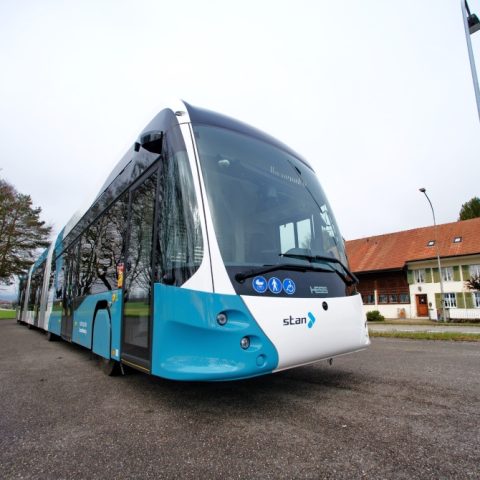
Kiepe announces it has completed the carve-out of its trolleybus electrical systems business, transferring the activities to Swiss manufacturer Hess.
Kiepe, headquartered in Düsseldorf, has finalized the separation of its trolleybus-related electrical systems operations as part of a broader corporate refocusing, according to a just-issued company statement.
Kiepe, originally part of Knorr-Bremse, was taken over by SPAC Heramba in 2024. The latter formally filed for insolvency in January 2025.
What is also interesting is the impact on the Italian market, where Kiepe Italy becomes Hess Italy, marking the Swiss company’s structured entry into the Italian market, where it has secured major contracts in recent years, including Vicenza and Genoa, as well as nearby Lugano. Under the new setup, Calogero Taibi, managing director of Kiepe Italy, is appointed CEO of Hess Italy.
Kiepe trolleybus business goes to Hess
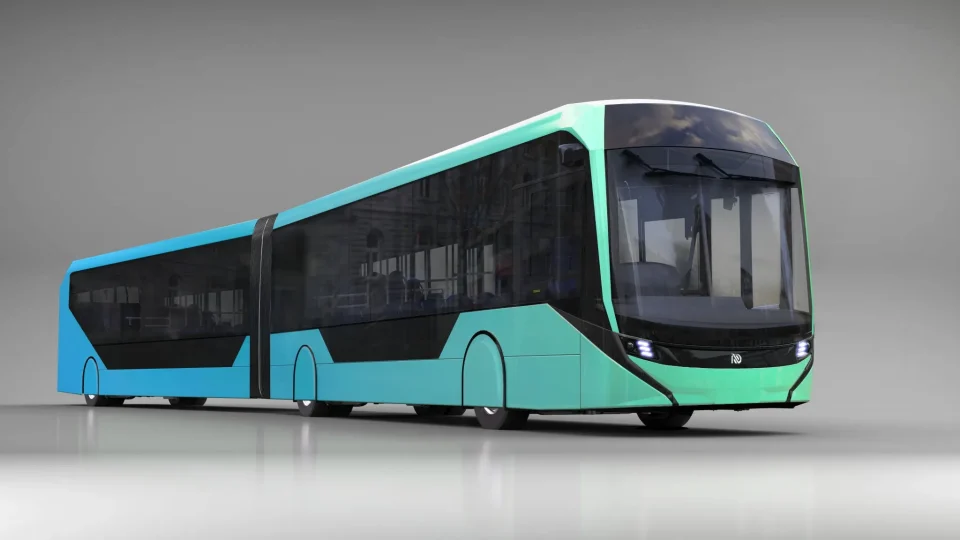
After Hess agreed with the transport authority and Van Hool’s liquidators to take over production of the bi-articulated electric buses originally ordered from Van Hool for Paris’ Bus Rapid Transit network, the two companies are also collaborating on that project, with Hess completing the remaining vehicles that incorporate propulsion and electrical systems from Kiepe and Alstom.
Following the carve-out, Kiepe states “it is strengthening its strategic focus on the rail business and creating the basis for specific investment in technological innovations”.
The carve-out covers electrical systems for trolleybuses previously supplied by Kiepe. These activities, including related competencies and responsibilities, are now part of Carrosserie Hess’ operational scope.
Support for existing trolleybus customers is maintained under the new structure. Kiepe confirms that current customer contacts will remain available following the transaction. In Italy, technical support for existing trolleybus fleets will be handled by Carrosserie Hess AG, acting as an authorized service partner.
Carrosserie Hess, already active as a supplier of electric bus solutions, assumes responsibility for the transferred trolleybus electrical systems activities, integrating them into its existing industrial and service organization.