Vilnius secures €110 million from EIB and CEB for up to 160 zero-emission buses and charging infrastructure
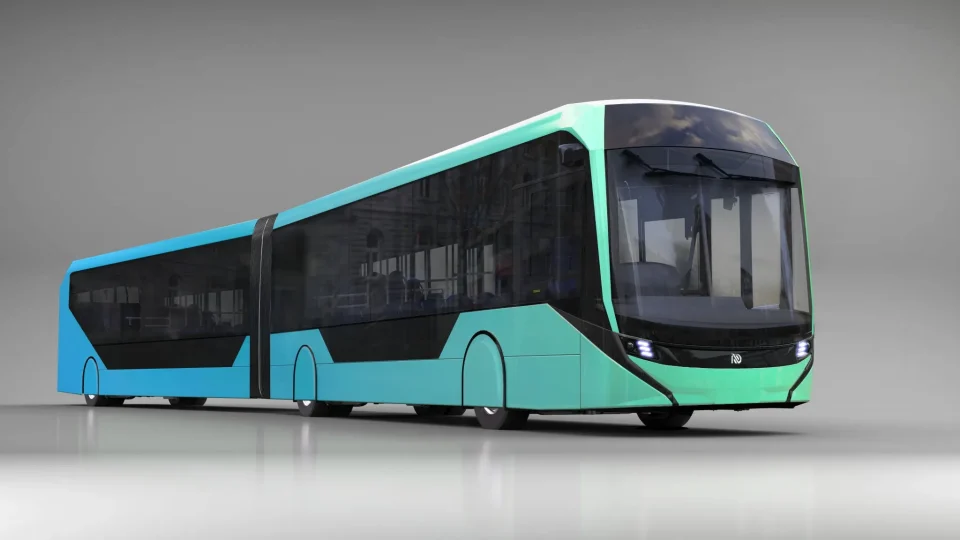
Vilnius public transport operator VVT is set to deploy up to 160 zero-emission buses, including electric and hydrogen vehicles, supported by €110 million in loans from the European Investment Bank (EIB) and the Council of Europe Development Bank (CEB). The financing package, announced by the EIB on 20 October 2026, comprises two loans of €55 […]
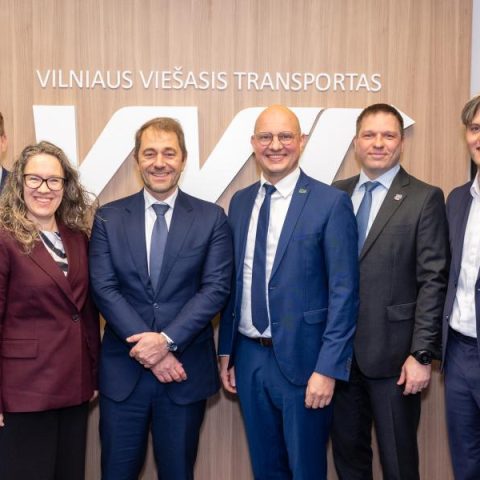
Vilnius public transport operator VVT is set to deploy up to 160 zero-emission buses, including electric and hydrogen vehicles, supported by €110 million in loans from the European Investment Bank (EIB) and the Council of Europe Development Bank (CEB).
The financing package, announced by the EIB on 20 October 2026, comprises two loans of €55 million each and covers vehicle procurement, the installation of 145 charging stations and upgrades to existing bus depots. The project is scheduled for completion by the end of 2027 and forms part of a wider investment programme involving four international financial institutions.
The new vehicles will replace older diesel and liquefied petroleum gas (LPG) buses operated by Vilniaus Viešasis Transportas (VVT), the municipal public transport company serving the Lithuanian capital, which has more than 600,000 residents.
Vilnius has set a target of achieving climate neutrality by 2030.
Vilnius zero-emission buses: €110 million financing
Vilnius’ fleet renewal programme follows a series of investments in electric buses and trolleybuses. In 2025, VVT announced plans to procure 145 electric buses, followed in 2026 by an order for 112 MAN Lion’s City E electric buses, comprising 84 standard and 28 articulated vehicles. On the trolleybus side, the operator completed the delivery of 91 Škoda 32 Tr vehicles in 2025 and subsequently ordered 73 articulated Solaris Trollino 18 trolleybuses. The programme follows earlier fleet renewal initiatives, including plans announced in 2018 to acquire electric, hybrid and gas-powered buses.
According to the EIB, the investment programme includes both battery-electric and hydrogen-powered buses, alongside the infrastructure required for their operation.
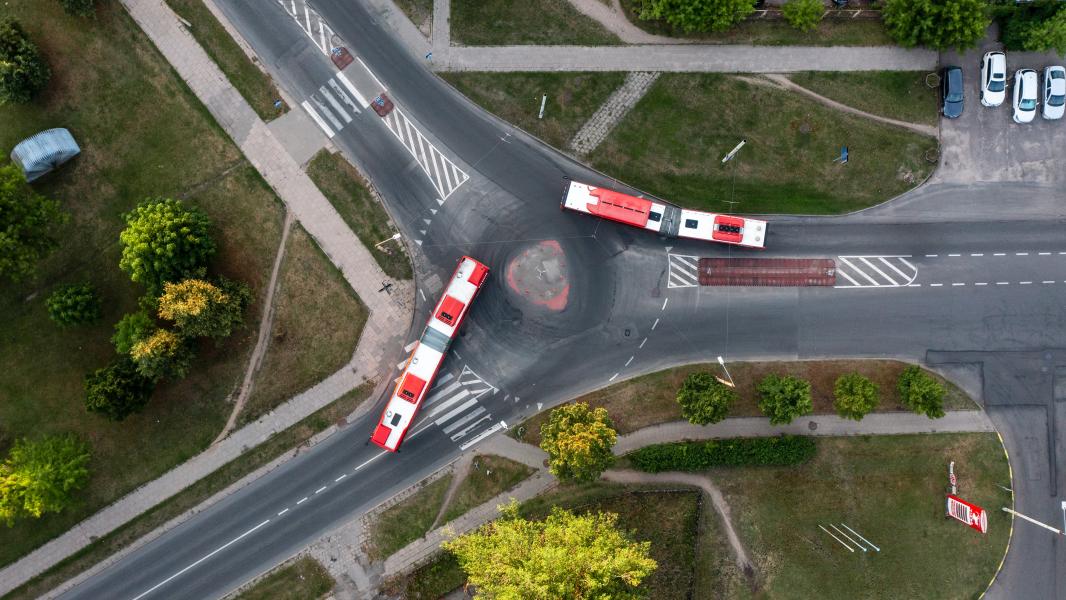
The programme includes 145 charging stations and the modernisation of existing depots. The EIB and CEB financing will support these investments together with the acquisition of new buses.
The two institutions are providing equal contributions, with the EIB extending a €55 million loan and the CEB committing a further €55 million. The operation is expected to be completed by the end of 2027.
Four international banks for Vilnius public transport
The financing operation is part of a broader public transport modernisation programme in Vilnius, involving the EIB, CEB, European Bank for Reconstruction and Development (EBRD) and Nordic Investment Bank (NIB).
While the EIB and CEB are financing the acquisition of electric and hydrogen buses and associated infrastructure, the EBRD and NIB are supporting the renewal of the city’s trolleybus fleet.
According to the EIB, this represents the first municipal transport financing programme in the Baltic region jointly supported by four international financial institutions, and one of the first such arrangements in Europe.
In brief
- How many zero-emission buses will Vilnius acquire?
Up to 160 electric and hydrogen buses, according to the EIB. VVT’s CEO refers to 161 vehicles. - How much financing has been secured?
€110 million, comprising €55 million from the EIB and €55 million from the CEB. - What infrastructure is included in the project?
The installation of 145 charging stations and upgrades to existing bus depots. - When will the project be completed?
Completion is scheduled for the end of 2027.
EIB Vice-President Karl Nehammer said: “Vilnius is showing how European cities can turn climate ambition into tangible improvements for citizens. Together with the Council of Europe Development Bank, we are helping deliver cleaner buses, better public transport and healthier urban environments for hundreds of thousands of people.”
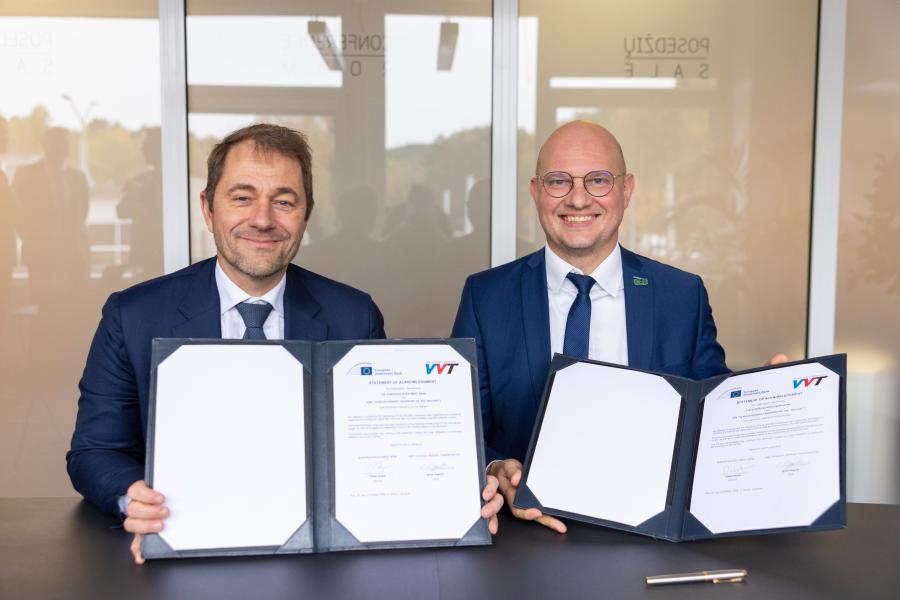
CEB Vice-Governor Tomáš Boček stated: “This project is a powerful example of how international financial institutions can work together to support cities in delivering tangible benefits for their residents. The modernisation of Vilnius’ public transport system will contribute to cleaner air, lower emissions and better mobility services, helping the city advance its climate goals while improving everyday life for hundreds of thousands of people, including low-income households, elderly persons and people with disabilities.”
VVT Chief Executive Officer Ignas Degutis added: “This financing enables us to carry out one of the most ambitious public transport modernisation programmes in VVT’s history. We sincerely thank the EIB and CEB for their trust and partnership. Together, we are investing in 161 zero-emission buses and the infrastructure needed to operate them reliably, creating cleaner, quieter and more comfortable journeys for Vilnius residents.”