Vector introduces vSECC.InPlug for up to 100-metre DC charging connections in bus and truck depots
Vector has introduced vSECC.InPlug, a communication controller board enabling distances of up to 100 metres between vehicles and central DC charging equipment in bus and truck depots. The new solution moves charging communication directly into the DC charging connector, while a second controller remains centrally located in the electrical cabinet. Vector will present the technology […]
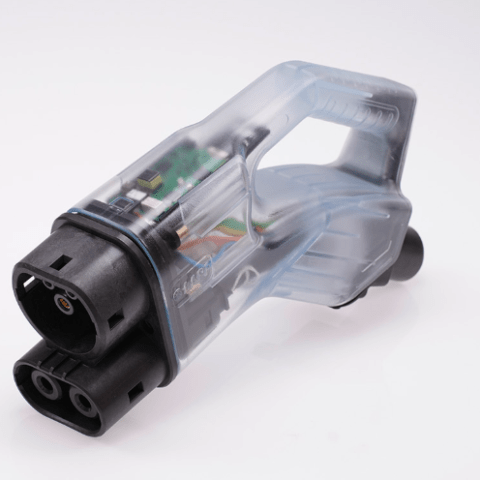
Vector has introduced vSECC.InPlug, a communication controller board enabling distances of up to 100 metres between vehicles and central DC charging equipment in bus and truck depots.
The new solution moves charging communication directly into the DC charging connector, while a second controller remains centrally located in the electrical cabinet. Vector will present the technology at IAA Transportation 2026 in Hanover, together with vCharM.DMS, its first depot management system for digital operating processes in bus depots, according to information released by Vector.
Both products address depot operations, with vSECC.InPlug focusing on the physical architecture of DC charging infrastructure and vCharM.DMS combining vehicle, parking, maintenance and departure information within a common operational interface.
Vector vSECC.InPlug enables DC charging cable runs of up to 100 metres
Vector is a Stuttgart-based technology company specializing in software and electronic systems for the automotive and related industries. Its activities in electromobility include charging communication, charging and energy management, and testing solutions for electric vehicle charging infrastructure.
In bus and truck depots, charging point locations have to be coordinated with parking positions, vehicle dimensions and vehicle circulation areas. At the same time, power electronics require locations providing the necessary electrical supply and cooling.
According to Vector, conventional DC charging architectures limit the distance between the charging communication controller and the vehicle to approximately 7.5 metres. vSECC.InPlug changes this configuration by placing the communication controller board directly inside the DC charging connector.
The board handles Power Line Communication on the connector side. Another controller, such as Vector’s vSECC, remains centrally installed in the electrical cabinet and continues to manage the charging process, communication protocols, power electronics and backend connection.
This architecture allows the cable connection between the centrally installed power electronics and the charging connector to extend over longer distances. Vector specifies distances of up to 100 metres between the charging equipment and the vehicle.
The system is intended in particular for bus and truck depots and charging installations using centrally arranged power electronics or charging points distributed across different areas of a site. Charging points can therefore be positioned at vehicle parking spaces while power electronics can be grouped separately at locations providing the required electrical supply and cooling.
vSECC.InPlug integrated into LAPP’s Smart Charging Connector
Vector has also integrated the vSECC.InPlug communication board into a DC charging connector in cooperation with LAPP Mobility GmbH.
The resulting Smart Charging Connector is available through LAPP as an integrated implementation of the technology, Vector states. Charging infrastructure manufacturers can alternatively integrate the vSECC.InPlug board independently into their own connector and system configurations.
Vector and LAPP will demonstrate the system at IAA Transportation 2026 using an exhibit comprising a transparent charging connector, electrical cabinet and miniature truck. The demonstration will show the communication path between the vehicle, connector and central charging infrastructure.
According to Vector, vSECC.InPlug supports IEC 61851, DIN SPEC 70121, ISO 15118-2 and ISO 15118-20. The product is targeted at bus and truck depot operators and charging infrastructure manufacturers requiring a physical separation between charging points and centrally located power electronics.
Vector launches vCharM.DMS depot management system for bus fleets
Alongside the charging hardware, Vector is introducing vCharM.DMS, a depot management system developed for small and medium-sized bus depots.
The platform combines vehicle status, parking-space occupancy, maintenance information and scheduled departures in a single operational overview. Dispatch, control-centre and workshop personnel can access the same vehicle and operational data through the system.
vCharM.DMS consolidates telematics data, information from vehicle manufacturers’ backend systems, and maintenance and operating data. Map and list views display each vehicle together with its assigned parking position, current status and next scheduled departure.
Reported defects, maintenance activities, cleaning operations and driver handovers can also be included in the vehicle-readiness information managed by the system.
Vector states that operators can deploy vCharM.DMS before electrifying their fleets. When electric buses are introduced, the depot management system can be connected with Vector’s vCharM charging and energy management system.
Confirmed departure times and required states of charge are then transferred to the charging planning process. vCharM schedules charging sessions, calculates the required charging start time and prioritises vehicles according to the operational requirements entered into the system.
In brief
- What is Vector vSECC.InPlug?
A communication controller board installed in a DC charging connector to handle Power Line Communication on the connector side. - How far can the vehicle be located from the central charging equipment?
Vector specifies distances of up to 100 metres, compared with around 7.5 metres for conventional DC charging architectures. - Which charging standards does vSECC.InPlug support?
IEC 61851, DIN SPEC 70121, ISO 15118-2 and ISO 15118-20. - What does vCharM.DMS manage?
Vehicle status, parking positions, maintenance information and scheduled departures, with integration into vCharM available for electric bus charging management.
“In bus and truck depots, parking spaces, vehicle dimensions, driving routes and operating processes determine the position of the charging points. With vSECC.InPlug, operators can flexibly distribute charging points across large areas while arranging the power electronics centrally. This creates greater flexibility in the planning and expansion of charging infrastructure,” said Peter Guse, Senior Director Business Development at Vector.