Autonomous buses from pilot to scale: how the Otokar e-Centro project points to wider deployment [VIDEO]
A 900-metre route through an Alpine village, gradients of up to 21 per cent and streets crowded with pedestrians. In Alpbach, Austria, ÖBB Postbus and Otokar have put a Level 4 autonomous electric bus into passenger operation, offering a practical look at what it takes to move from autonomous bus trials towards scalable projects. During […]
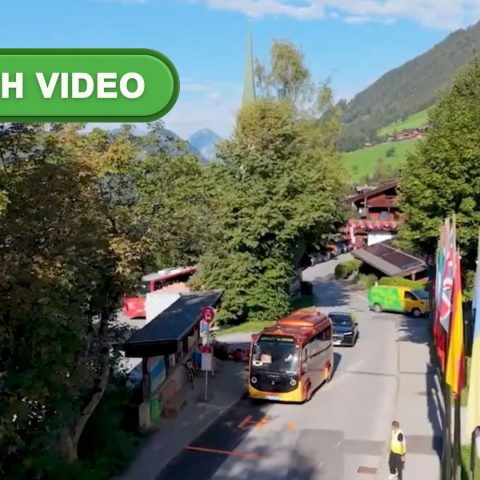
A 900-metre route through an Alpine village, gradients of up to 21 per cent and streets crowded with pedestrians. In Alpbach, Austria, ÖBB Postbus and Otokar have put a Level 4 autonomous electric bus into passenger operation, offering a practical look at what it takes to move from autonomous bus trials towards scalable projects.
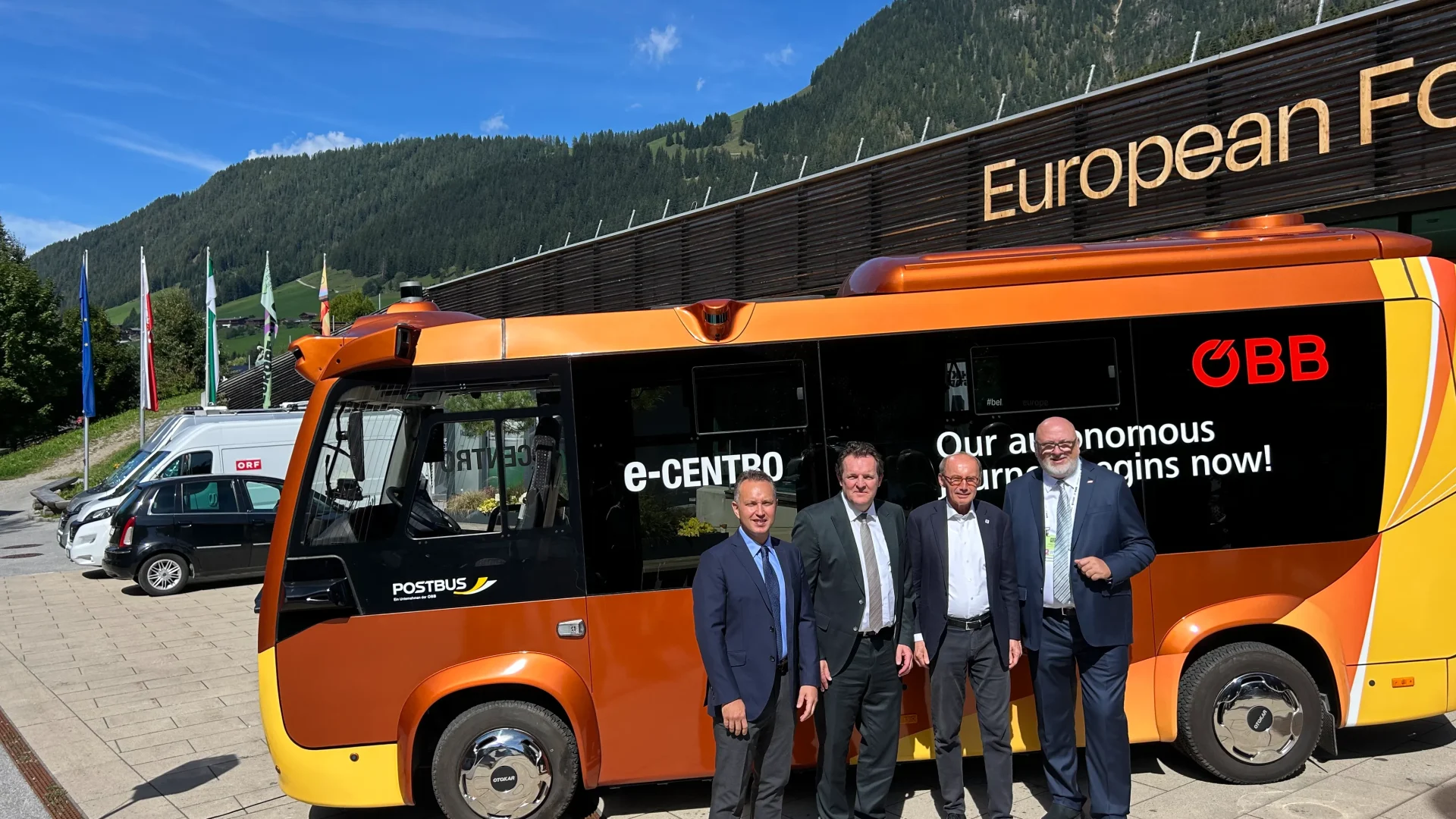
During the European Forum Alpbach, from 24 August to 4 September, the 6.6-metre vehicle carried passengers along a 900-metre route. The operating environment was anything but straightforward: narrow roads, gradients reaching 21 per cent and intense pedestrian traffic generated by an event attracting around 4,700 participants.
Our video report goes behind the operation to explore what is required to put an autonomous bus on the road: from route mapping and authorisation to sensors, software, safety procedures and driver training.
Otokar e-Centro Autonomous: vehicle, software and services
Otokar has been developing autonomous-driving technology internally since the end of 2020. The e-Centro Autonomous combines lidar, cameras and ultrasonic sensors to provide 360-degree perception, while its software manages localisation, route planning, object detection and vehicle behaviour.
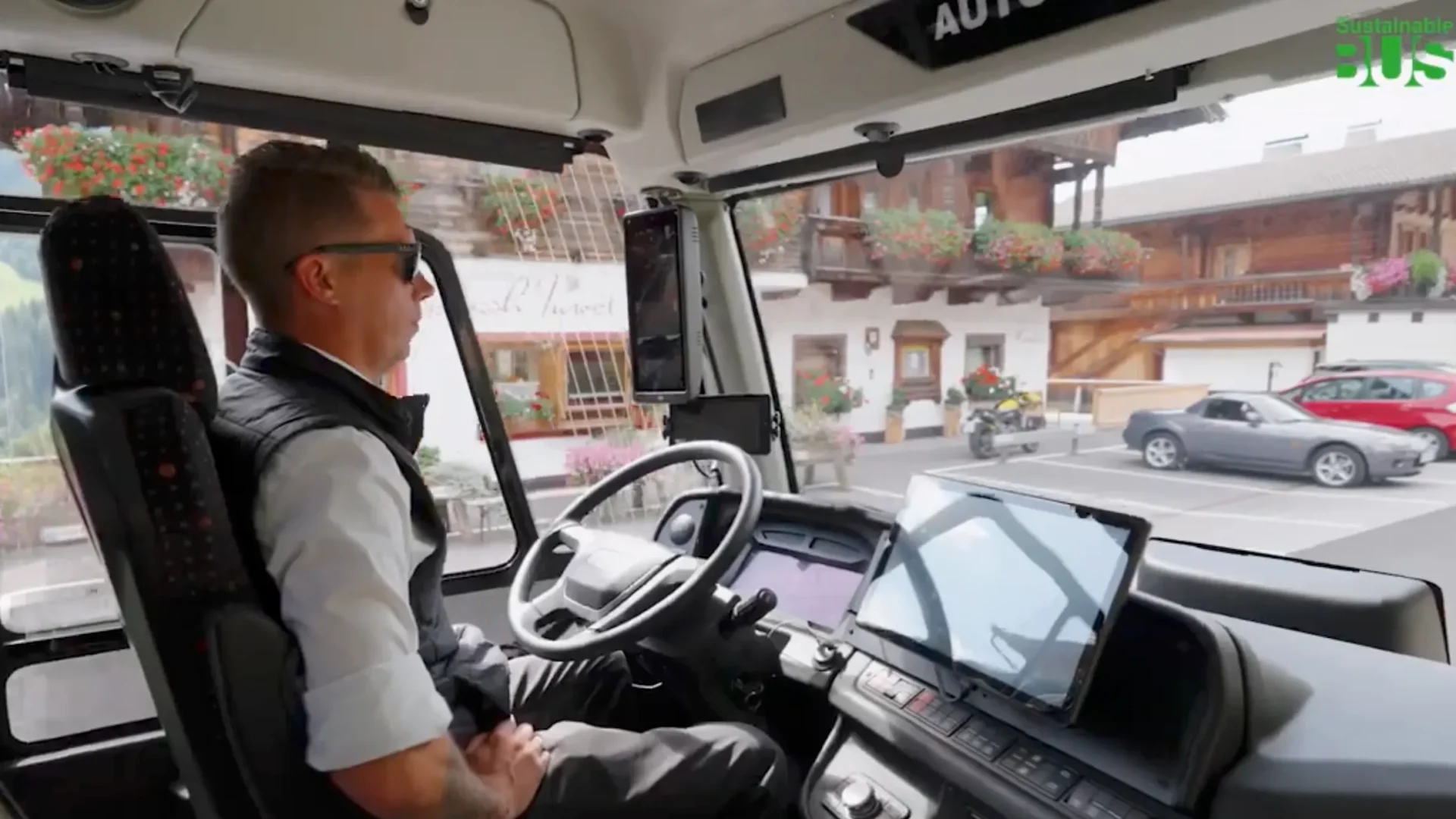
The Level 4 system is designed to operate at speeds of up to 30 km/h. According to Otokar, it has undergone more than 600 tests over two months, alongside TÜV Rheinland verification and public-road testing in Hungary.
But the Alpbach project also highlights a broader shift in the autonomous bus market. Deploying such a vehicle is not simply a matter of buying a bus equipped with additional sensors.
“We don’t just sell the bus: we sell the project,” explains Anna Mejer, Otokar Europe Commercial Director for German-speaking countries.
The deployment therefore involves the vehicle, autonomous-driving software, route mapping, authorisations, sensor calibration, training and technical support.
From Alpbach to a longer-term project
Alpbach represents only one step in ÖBB Postbus’ autonomous mobility programme. Following the Alpine deployment, the same e-Centro is due to move to Wolfurt, in Vorarlberg, where it will operate on a route of approximately five kilometres, connecting the railway with companies and workplaces in the area.
The change is significant: from a short deployment during an international event to a project that ÖBB Postbus says is expected to run for years rather than weeks.
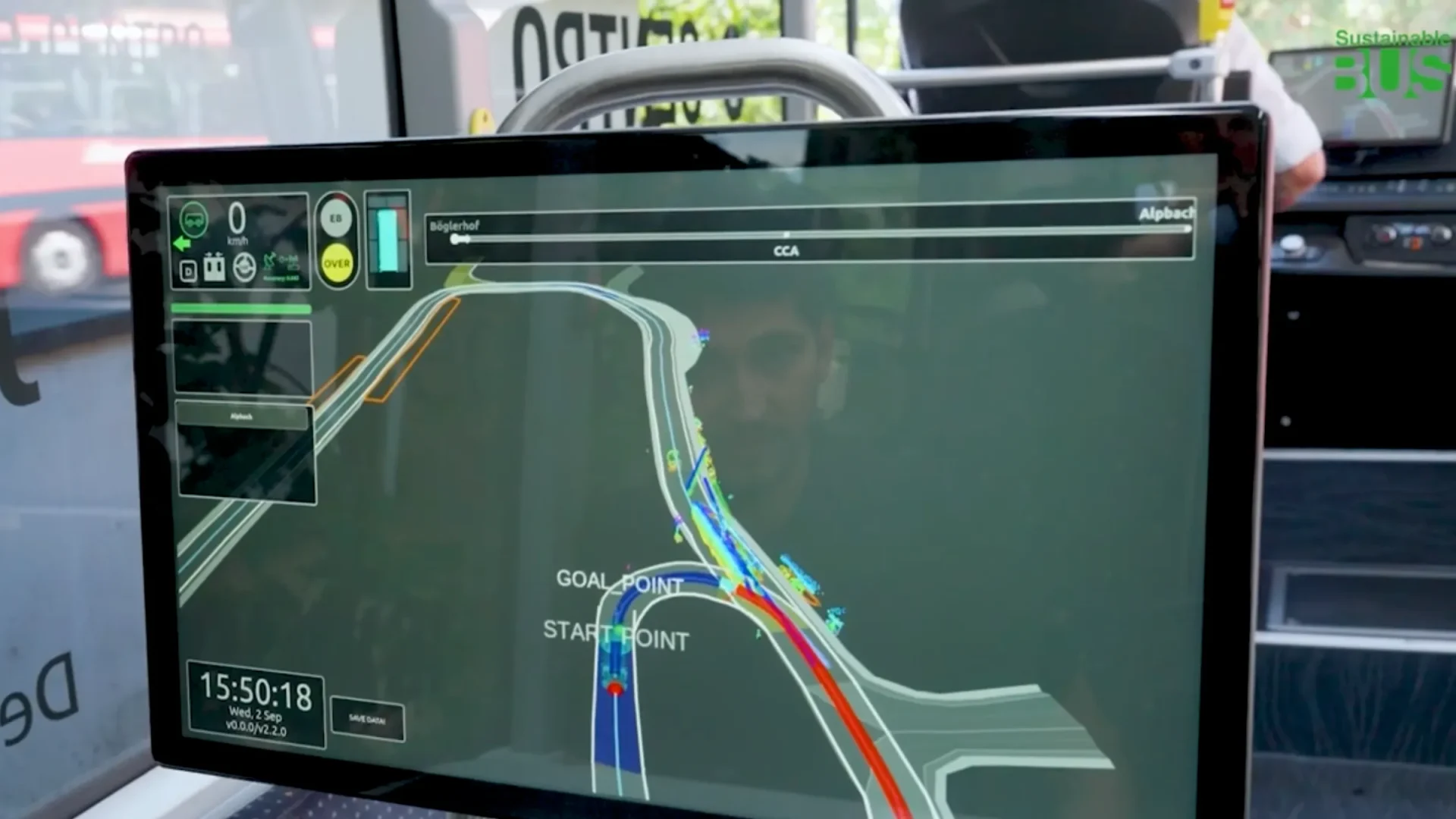
In the video, Sustainable Bus speaks with ÖBB Postbus and Otokar representatives, engineers and the safety driver to understand how the Alpbach operation works, what its limitations are today and what needs to happen for autonomous buses to move from pilots towards larger-scale public transport applications.