Keolis Netherlands turns to CarMedialab as intelligent charge management system’s provider
Keolis Netherlands turns to CarMedialab’s intelligent charge management system MOBILEcharge. In a large-scale project, up to 267 charging points will be integrated into the system to ensure smooth and efficient operation of the electric Yutong buses, as CarMedialab states. The first phase of the project commenced in November 2024, and plans are underway to introduce 86 […]
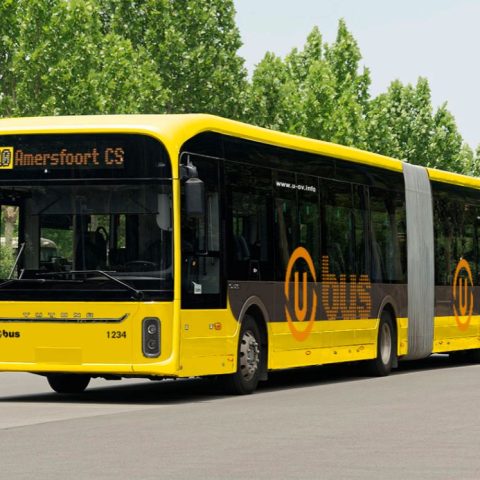
Keolis Netherlands turns to CarMedialab’s intelligent charge management system MOBILEcharge. In a large-scale project, up to 267 charging points will be integrated into the system to ensure smooth and efficient operation of the electric Yutong buses, as CarMedialab states.
The first phase of the project commenced in November 2024, and plans are underway to introduce 86 new electric buses to supplement the seven currently in service. The primary objective is to meet the targets set in the new concession with the PTA by replacing the diesel fleet with electric buses in several reliable phases. This approach not only supports the national goal of reducing emissions but also addresses current challenges such as grid capacity constraints (this latter topics has moreover been the subject of a recent reporting of the national newspaper De Telegraaf).
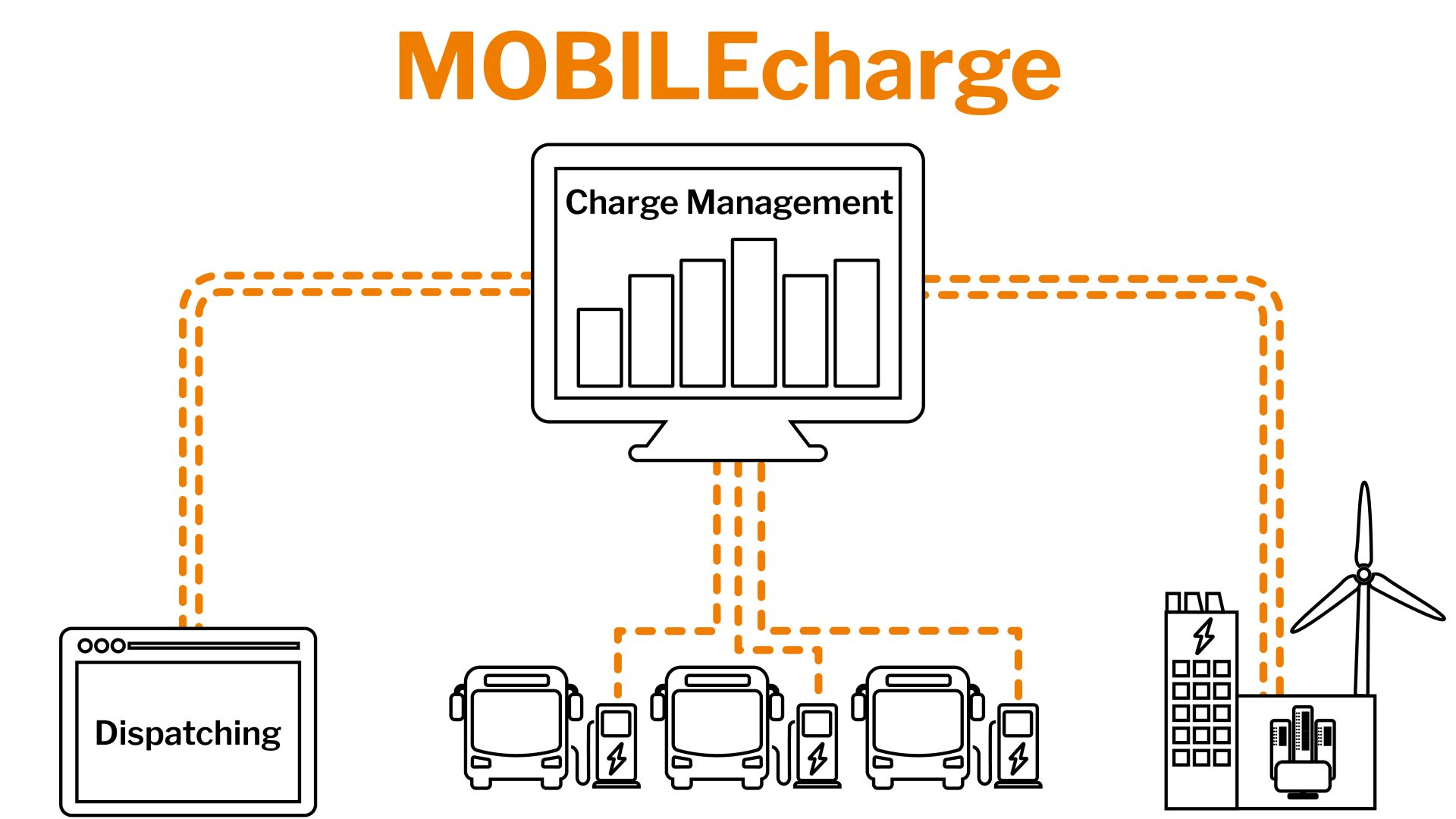
CarMedialab provides charge management for Keolis Netherlands
“A key element of the charging infrastructure is the seamless integration of interfaces such as VDV 463 and VDV 261, which enable efficient control of the charging process. In addition, the INIT Group’s ITCS system is integrated into the overall project to ensure optimal networking between charge management and depot control”, CarMedialab states.
Elvia Fortanelli, Project Manager at CarMedialab: “With MOBILEcharge, we ensure that Keolis can operate its e-bus fleet in Utrecht efficiently and sustainably. Intelligent charge management is the key to economical and reliable e-mobility in public transport.”
Thijs Struijlaart-Beusen, Transition Manager Zero Emissions of Keolis Netherlands, emphasizes: “Our objective for this project is to have a reliable transition to zero emission within the goals of the PTA (provincie of Utrecht). The final phase is planned for 2028. With CML and INIT as our partners we will make sure our bus operators and regional control centre will have reliable and familiar systems for every charger and bus in the Netherlands.”