ABC Companies’ John Walsh on COR Transit: diesel first, production in 2028 and competition in the US bus market
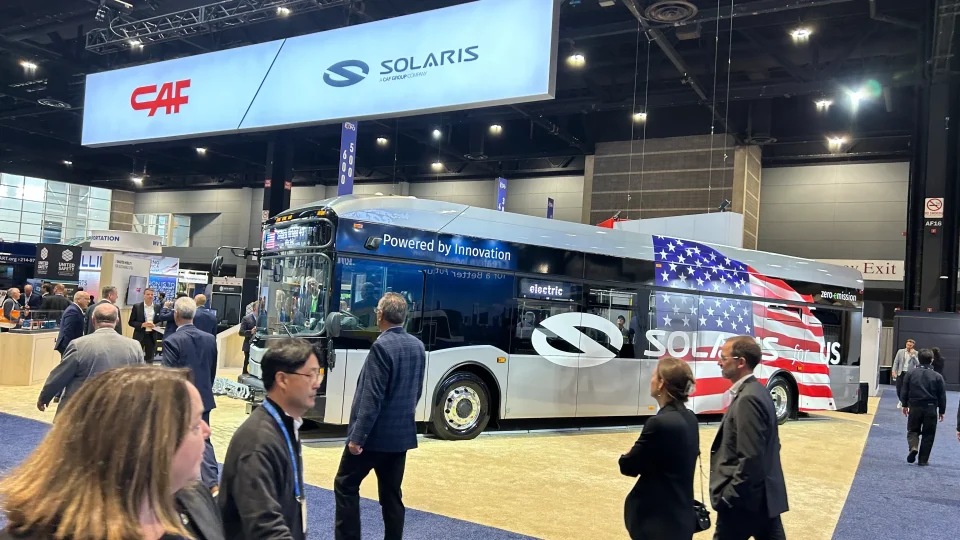
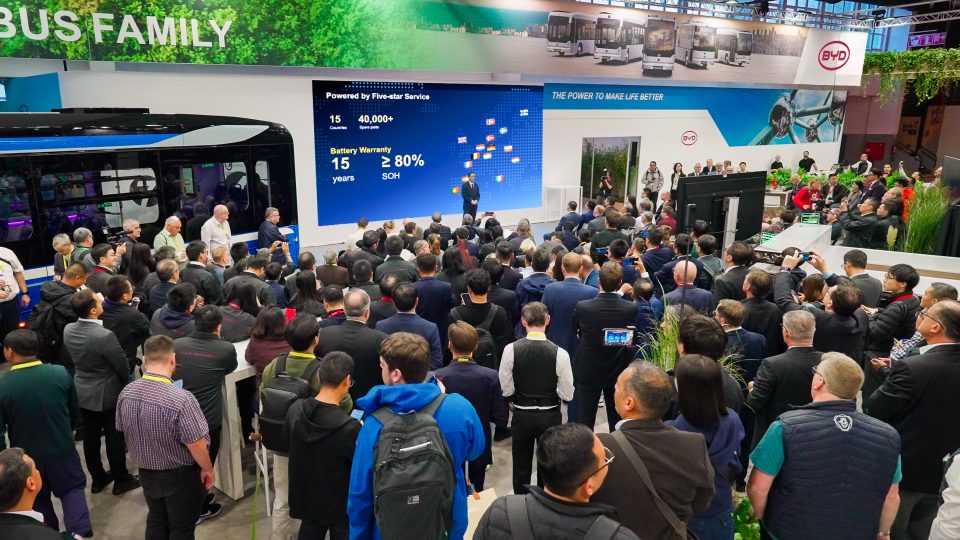
ABC Companies is preparing to enter the US heavy-duty transit bus market with its new COR Transit brand, targeting initial production in 2028 with a diesel-powered 40-foot bus that will be named D40. The project was unveiled at APTA TRANSform & EXPO 2026 in Chicago, marking an expansion beyond the group’s established motorcoach, specialty vehicle […]
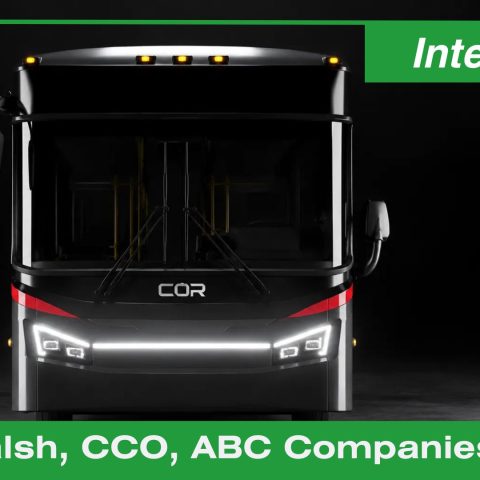
ABC Companies is preparing to enter the US heavy-duty transit bus market with its new COR Transit brand, targeting initial production in 2028 with a diesel-powered 40-foot bus that will be named D40. The project was unveiled at APTA TRANSform & EXPO 2026 in Chicago, marking an expansion beyond the group’s established motorcoach, specialty vehicle and aftermarket activities.
The launch of COR Transit comes as ABC Companies develops a new manufacturing operation for the North American market, with Altoona testing scheduled for 2027 and a platform designed to accommodate multiple fuel technologies. The company is targeting a segment estimated at approximately 4,800 buses annually, while drawing on its existing parts and service network, which serves 684 transit authorities across the US.
We discussed the project with John Walsh, Chief Commercial Officer of ABC Companies since August and former CCO of Proterra, covering the decision to launch with diesel, manufacturing plans and Buy America requirements, the role of European engineering expertise, competition in the US transit bus industry and the outlook for federal public transport funding.
It was encouraging to walk around APTA EXPO this year and see new manufacturers entering the market. You’ve got a couple of other companies that are entering back into the country, which is good. I think that’s really important and the industry needs that desperately. When you look at Europe, there are significantly more manufacturers competing, and that competition drives innovation. I think we need more of that here. We can support domestic manufacturing while also creating an environment where more companies can compete, bring new ideas to the market, and ultimately give transit agencies more options. That’s good for the entire industry.
John Walsh, Chief Commercial Officer, ABC Companies
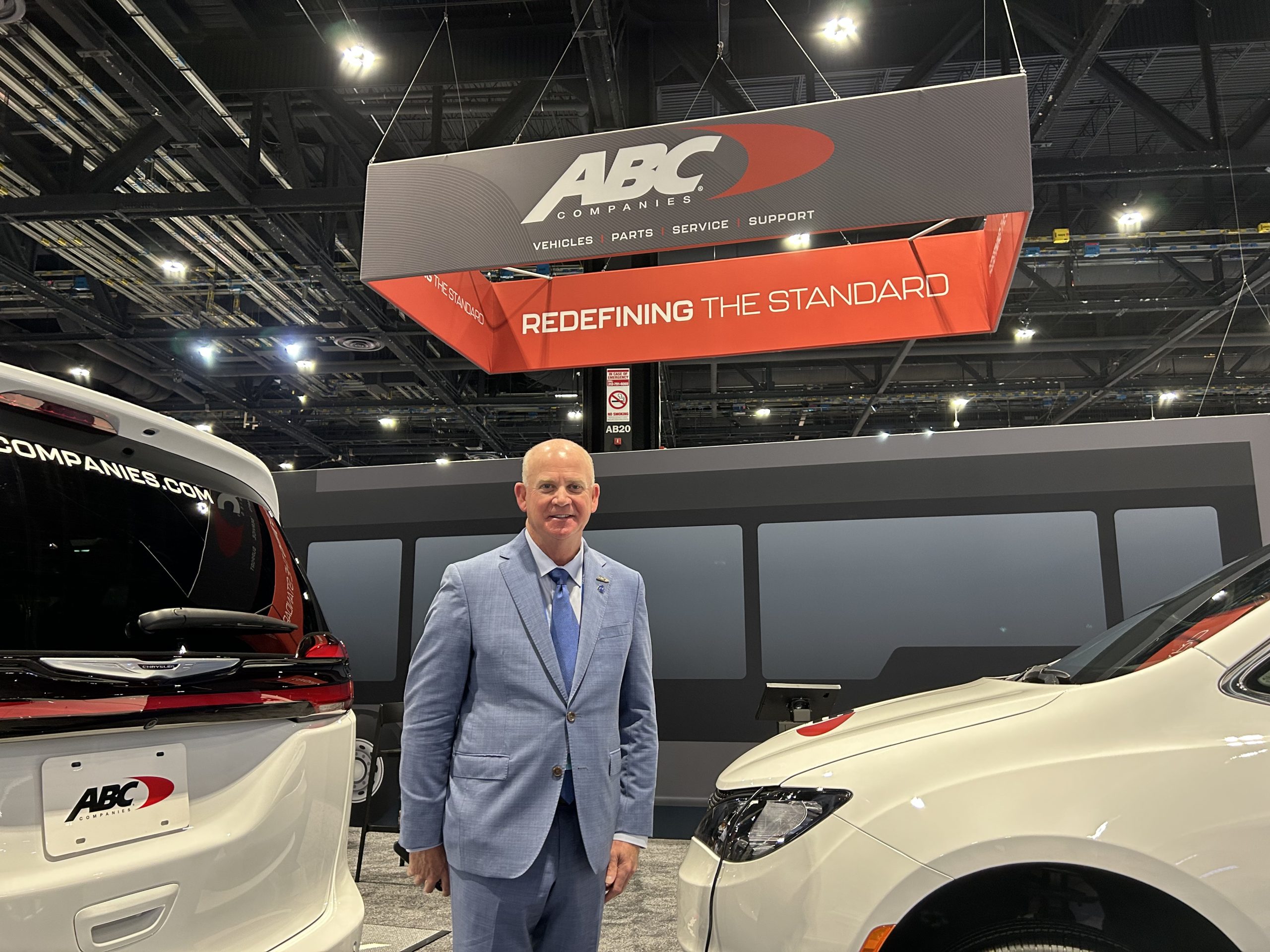
John Walsh, ABC Companies, the evolution of US energy mix
At APTA Expo 2026, ABC Companies announced the launch of COR Transit, a new manufacturer entering the US heavy-duty transit bus market. The first vehicle will be diesel-powered, with production planned for 2028. Why start with diesel?
We’re starting with diesel because that’s where we see a significant need in the market today. According to APTA’s 2026 Public Transportation Fact Book, diesel remains the largest single fuel category in the U.S. transit bus fleet, representing approximately 47% of vehicles. Agencies are dealing with aging fleets, rising costs and long delivery timelines. They need more options, and we see an opportunity to help address that.
Our focus is on bringing a competitive, reliable product to market that meets those needs. At the same time, we’re developing the COR Transit platform to accommodate multiple fuel types, giving us the flexibility to respond as agency needs and the market evolve.
We’re developing COR Transit specifically for the North American market, while incorporating some of the design and engineering concepts we’ve seen work well in Europe as certain safety aspects are better addressed in Europe than in the U.S. For instance, weight is an important item, because even if you’re using different types of fuel, you need the vehicle to be strong but light. So, we’re going to take those concepts and put them into the vehicle. And then styling is important. Like, people want to feel like they’re in something that looks aesthetically pleasing going through their neighborhoods and their communities.
John Walsh, Chief Commercial Officer, ABC Companies
Do you expect diesel to remain an important part of US transit bus demand over the next few years, including in states such as California?
Absolutely. We believe diesel will continue to play an important role in the U.S. transit market, even as agencies transition toward alternative fuel technologies. Every agency has different operational needs, funding considerations and infrastructure capabilities. There’s no single solution that works for everyone.
We recognize the growing role of battery-electric, hydrogen fuel cell and CNG technologies, and we believe all of these have a place in the market. Our approach is to focus on where we see the greatest need today while developing a platform that gives us the flexibility to respond as the market evolves.
ABC Companies has been active in the motorcoach business for 50 years. What market opportunity have you identified in the heavy-duty transit segment?
The motorcoach business has been our core business for 50 years, and it remains the largest part of ABC today. When you look at the broader bus market, I think of it in three segments: motorcoach, heavy-duty transit, and specialty vehicles and shuttles. The heavy-duty transit market represents about 6,000 buses annually, including 600 articulated buses and about 500 motorcoaches.
The largest opportunity is right in the middle. We’re targeting the 40-foot segment, which accounts for approximately 4,800 buses annually. That’s where we’re going to focus. It’s a significant market, and with a limited number of manufacturers serving it today, we see a real opportunity to bring additional capacity and competition to the industry.
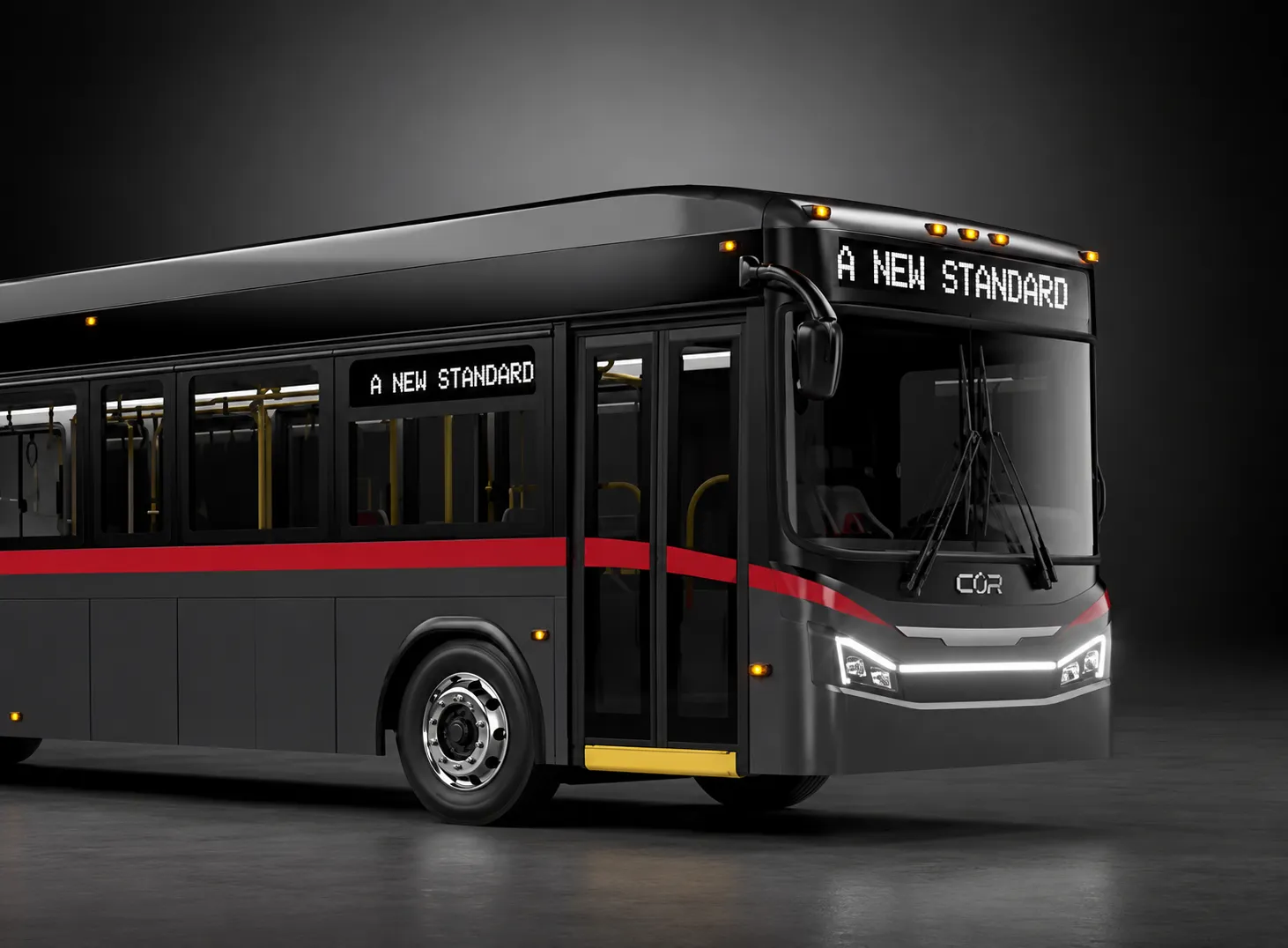
So the 40-foot segment is COR Transit’s addressable market.
Yes, exactly. Today, our share of that market is zero. But if you look at our specialty vehicles business, we were in a similar position in 2022. Today, we’re delivering nearly 1,000 vehicles annually in that segment.
We see a similar opportunity with COR Transit. We don’t expect any one division to take over from the others. We need all three because they’re all very different. Our goal is to build on the strength of our existing business while expanding into a segment where we see significant opportunity for growth.
COR Transit: the roadmap for the D40 new US transit bus
Why establish COR Transit as a separate brand rather than introduce the new buses under the ABC Companies name?
ABC has been in the transportation business for more than 50 years, and today we work with more than 12 vehicle manufacturers across different segments. We’ve built a strong business around that model, and we want to approach COR Transit the same way.
By establishing COR Transit as its own brand, we can give it a dedicated focus on the heavy-duty transit market while keeping ABC’s broader business model intact. The real advantage is that we’re not starting from scratch. COR Transit will benefit from ABC’s existing sales relationships, national parts and service network, and infrastructure. That gives us a strong foundation to bring a new product to market and support customers long after the sale.
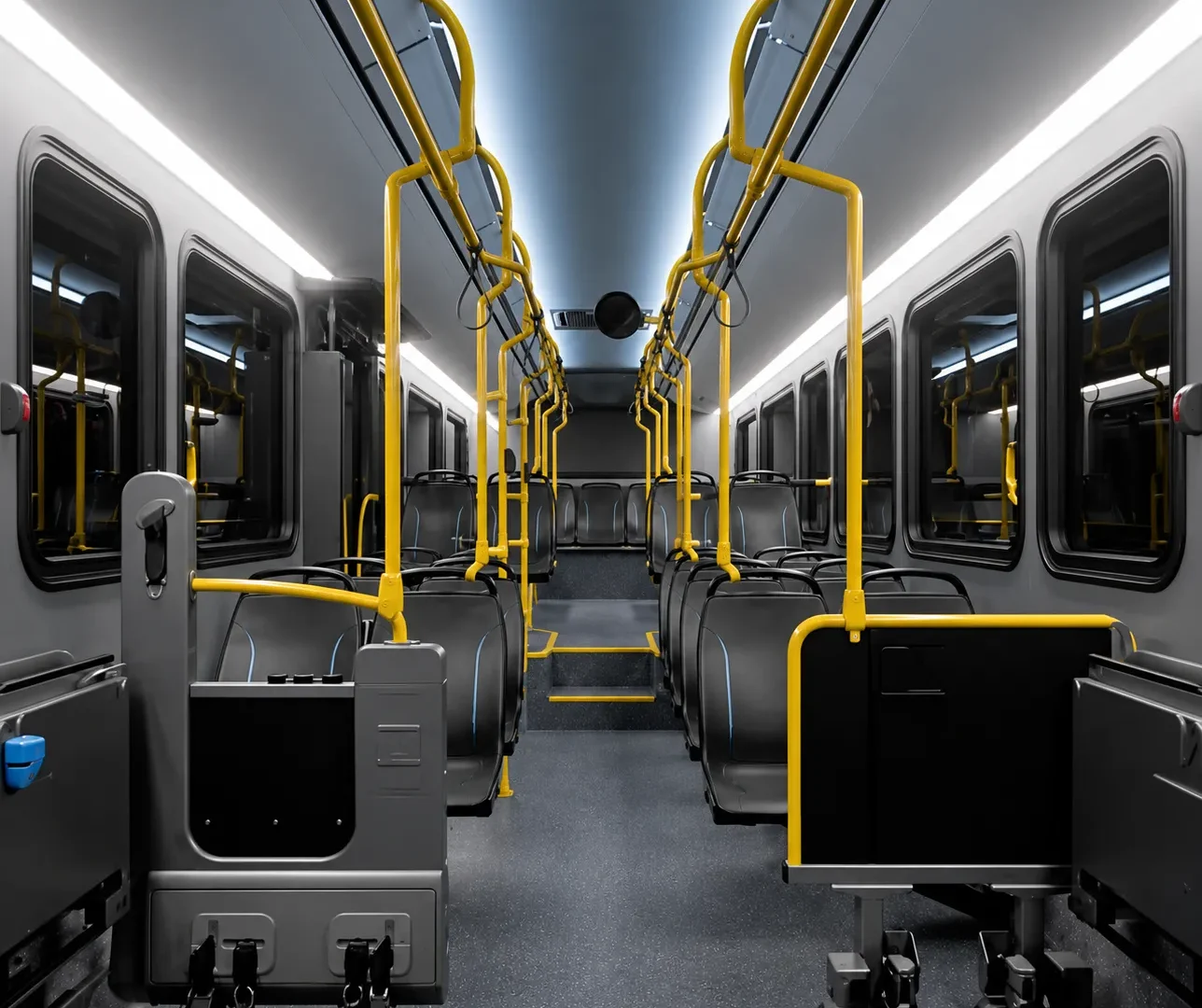
What is the development and production roadmap for COR Transit? When will the first vehicles be tested, and what manufacturing capacity are you considering?
Our plan is to have test vehicles undergoing Altoona testing in 2027, with initial production and deliveries targeted for 2028. We’re being very deliberate about the development process because, at the end of the day, we want a reliable product that works for our customers. But we do have a plan to get these test vehicles going and then get into production in ’28.
The capacity of the plant hasn’t been determined yet because we haven’t selected the site. We’re close.
Based on the figures mentioned earlier, a 10% share of the 40-foot transit bus market would represent approximately 500 buses. That would represent a very strong business for us, and it’s the kind of opportunity we’re building toward.
By establishing COR Transit as its own brand, we can give it a dedicated focus on the heavy-duty transit market while keeping ABC’s broader business model intact. COR Transit will benefit from ABC’s existing sales relationships, national parts and service network, and infrastructure. That gives us a strong foundation to bring a new product to market and support customers long after the sale.
John Walsh, Chief Commercial Officer, ABC Companies
How will the new manufacturing operation be integrated into the existing service network?
I think that’s one of the biggest advantages we bring to this. ABC already has 10 facilities across North America supporting customers with parts, service, collision repair and other fleet needs. We’ve spent more than 50 years building those capabilities, along with strong supplier relationships and a deep understanding of what it takes to keep these vehicles on the road.
What’s really valuable is that we also have direct feedback from the field. We understand the challenges transit agencies, fleet managers and maintenance technicians face every day, and we can bring that knowledge into the development of COR Transit from the beginning. A lot of manufacturers have to build that support infrastructure as they grow. We already have it in place, and that’s a significant advantage for both us and our customers.
Beyond vehicle sales, what role do parts and aftermarket services play in ABC’s business, and how will those existing relationships support COR Transit?
Parts is actually the biggest part of our company from a revenue perspective today.
We have a facility in Muncie, Indiana, dedicated entirely to parts distribution, and we’re currently supplying parts to 684 transit authorities across the country. Our largest customer is the New York City Transit.
So, we’re already doing business with many of the agencies we’re looking to serve with COR Transit. We have those relationships, we understand their needs, and we’ve earned their trust through our parts and aftermarket business. That’s a big part of the challenge when entering a new market, and it’s something we’ve already established.
Now, the opportunity is to build on those relationships and introduce a new vehicle offering through COR Transit. With me coming on board, our strategy will become more aggressive, with the aim of selling buses to transit systems we already serve through our parts business.
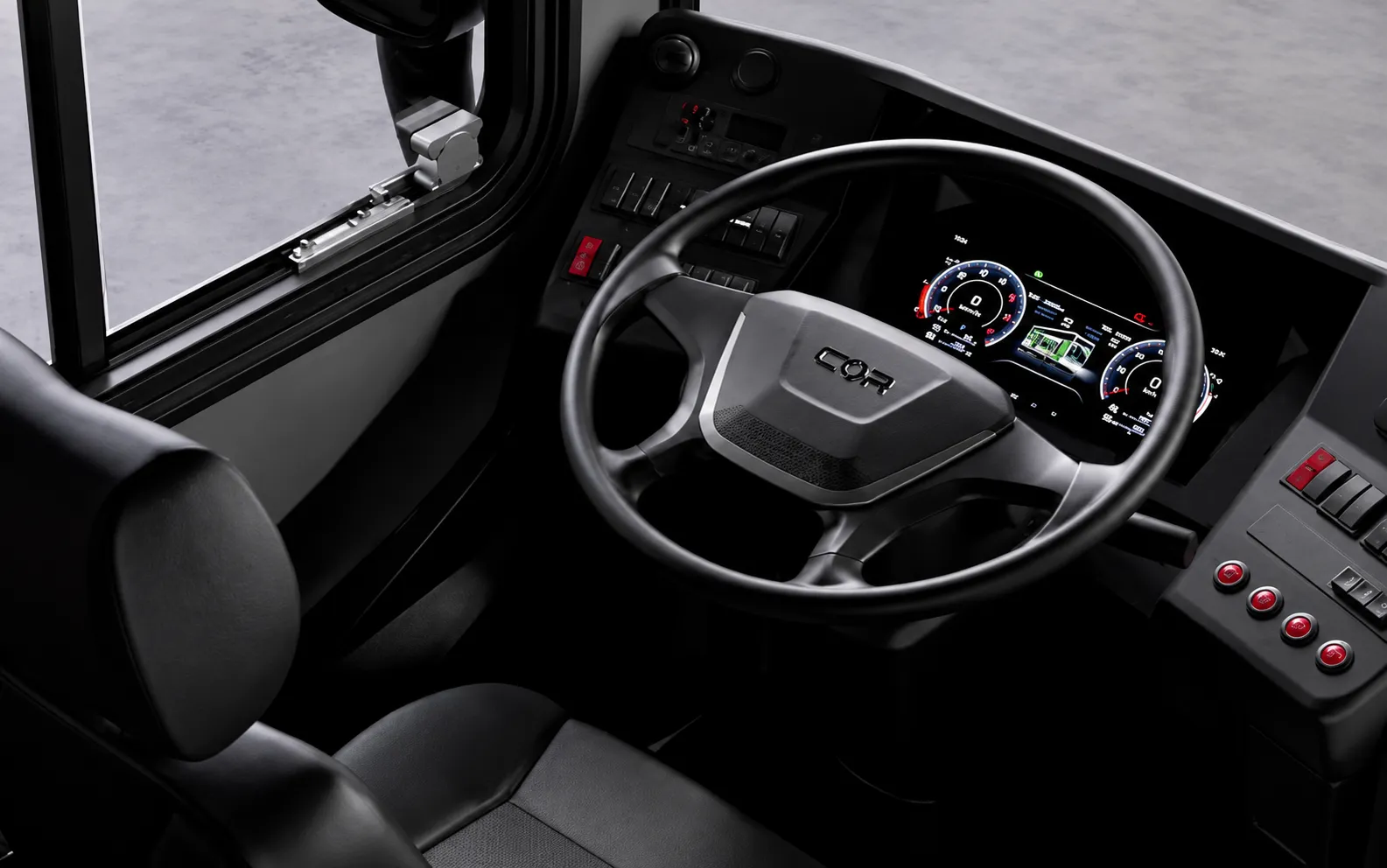
What’s going on in US transit bus market?
The US heavy-duty transit bus market has seen a reduction in the number of manufacturers, but APTA Expo 2026 is also bringing new entrants. What are the main barriers for companies entering this market?
The barriers to entry are significant. Every newcomer must build in America, test it in America, and it’s got to be to U.S. standards.
We have a strong relationship with VDL Group, which has extensive experience manufacturing transit buses in Europe. But the U.S. market has its own requirements, and it’s not as simple as bringing an existing European product over here. That’s why we’re developing COR Transit specifically for the North American market, while incorporating some of the design and engineering concepts we’ve seen work well in Europe.
Why?
Certain safety aspects are better addressed in Europe than in the U.S. For instance, weight is an important item, because even if you’re using different types of fuel, you need the vehicle to be strong but light. So, we’re going to take those concepts and put them into the vehicle.
And then styling is important. Like, people want to feel like they’re in something that looks aesthetically pleasing going through their neighborhoods and their communities.
When you travel through Europe, public transit is part of everyday life. People from all walks of life use it. In the U.S., there’s sometimes a different perception of public transit, and I think design can play a role in changing that. We want to build something that communities are proud to have on their streets.
We believe diesel will continue to play an important role in the U.S. transit market, even as agencies transition toward alternative fuel technologies. We recognize the growing role of battery-electric, hydrogen fuel cell and CNG technologies, and we believe all of these have a place in the market. Our approach is to focus on where we see the greatest need today while developing a platform that gives us the flexibility to respond as the market evolves.
John Walsh, Chief Commercial Officer, ABC Companies
Buy America and the importance of public transport
From a European perspective, Buy America requirements provide a framework for supporting domestic manufacturing, something many European OEMs would welcome in their own markets. At the same time, competition in Europe is particularly intense and drives innovation. How can the US industry ensure that protecting domestic manufacturing goes hand in hand with maintaining competition and encouraging innovation?
I think the government wants to see innovation. Nobody wants that to slow down. But one of the challenges we’ve seen in this market is the complexity of some of these vehicles and the requirements that come with them. That can slow down manufacturing, drive-up costs, and make it more difficult for companies to compete. That’s why I think it was encouraging to walk around APTA EXPO this year and see new manufacturers entering the market.
You’ve got a couple of other companies that are entering back into the country, which is good. A couple of new entrants. I think that’s really important and the industry needs that desperately.
When you look at Europe, there are significantly more manufacturers competing, and that competition drives innovation.
I think we need more of that here. We can support domestic manufacturing while also creating an environment where more companies can compete, bring new ideas to the market, and ultimately give transit agencies more options. That’s good for the entire industry.
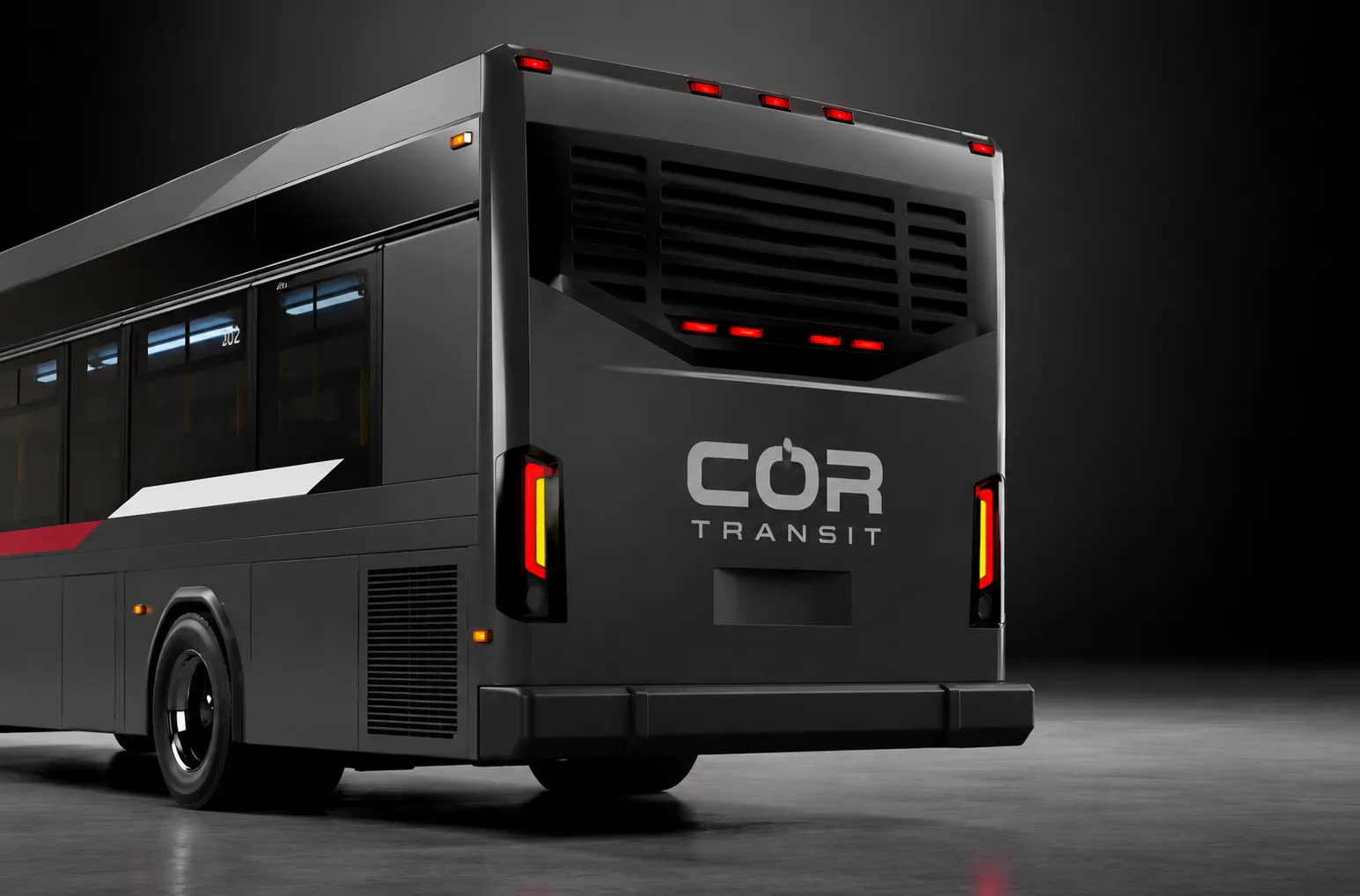
What is missing to make public transport more central to US communities? It’s a huge question, I know, but making it simple: is the main challenge funding, urban development or public attitudes?
I think it’s a matter of mindset. We are in love with our cars in the United States. The urban environment also plays a role: US cities tend to be more spread out. However, a city like Austin, Texas, is very spread out, but they have a lot of transit, they have a lot of rails, and I think people use it quite a bit.
Funding is also a big part of it. One of the things we’re working hard on in Washington is making sure the federal government continues to recognize the importance of public transit and invests in it.
Because you know what amplified the importance of transit in America?
What?
COVID. I think that was a real turning point in how people understood the importance of public transit. Even when so much of the country shut down, essential workers still needed to get to hospitals, grocery stores, and other critical jobs. Public transit made that possible.
It reinforced just how important these systems are to our communities, and we saw significant federal investment follow. I think we have to keep that conversation going today. We need to make sure Congress understands that transit isn’t just about moving people from one place to another. It’s about connecting people to jobs, healthcare, and opportunities. And we have to continue making that case.
How can the transit industry make that case to the current US administration, particularly in the context of federal funding?
Well, I think if you talk to the current administration and you show them that this is an economic engine, this is about commerce. You show them how many jobs are in these factories, not just with bus companies, with all the suppliers that build the components to go on these buses.
And then you have to look at what transit does for the broader economy. It connects people to jobs, supports local businesses, and keeps communities moving. I think when you tell that story and demonstrate the economic impact, you make a much stronger case for continued federal investment.