JBM Auto registers 892 electric buses in India in H1 FY2026-27, reaching 24% market share
JBM Auto registered 892 electric buses in India between April and September 2026, accounting for approximately 24% of the market during the first half of the country’s FY2026-27. The figures, released by JBM Auto based on data from India’s Vahan portal, refer to H1 FY2026-27. In India, the financial year runs from April to March, […]
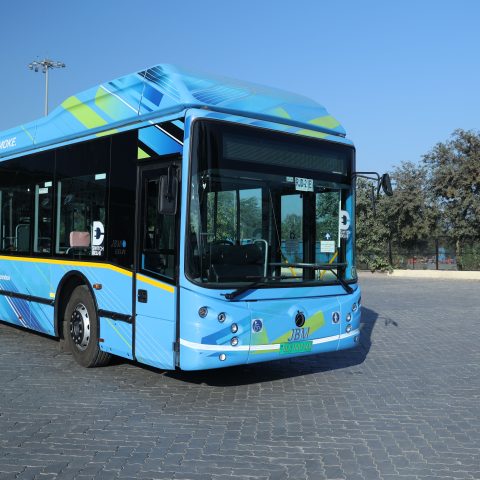
JBM Auto registered 892 electric buses in India between April and September 2026, accounting for approximately 24% of the market during the first half of the country’s FY2026-27.
The figures, released by JBM Auto based on data from India’s Vahan portal, refer to H1 FY2026-27. In India, the financial year runs from April to March, meaning that H1 FY2026-27 covers April through September 2026. The period therefore differs from calendar-year H1, which covers January through June and is generally used in European market reporting.
According to JBM Auto, the Indian electric bus market recorded 3,771 registrations between April and September 2026. The manufacturer accounted for 892 of these registrations, corresponding to a market share of approximately 24%.
The reporting period also differs from the January-June 2026 figures published by Sustainable Bus for the Indian electric bus market. Vahan data for those six calendar months showed 2,944 electric bus registrations, with JBM Auto Limited recording 635 units and JBM Electric Vehicles another 169. Combined, the two JBM entities accounted for 804 registrations and 27.3% of that January-June market.
JBM Auto reaches 892 electric bus registrations in H1 FY2026-27
The April-September results come during a period of further electric bus deployment activity for JBM in India.
In July 2026, JBM Electric Vehicles signed an agreement with electric commercial vehicle leasing platform DRIVN covering the supply of 500 electric buses in India. The agreement provides for deployment through DRIVN’s leasing platform.
JBM has also expanded its electric offer beyond urban buses. At Prawaas 5.0 in Gandhinagar in July, the company unveiled sleeper and sleeper-seater versions of its GALAXY electric coach. At the time, JBM stated that more than 3,300 of its electric buses had been deployed across 17 Indian states and at more than 12 airports, while its order book exceeded 10,000 electric buses.
JBM electric bus deployment backed by new funding rounds
JBM’s electric bus operations have also been the subject of two funding announcements since September 2025.
In June 2026, JBM Ecolife Mobility secured a ₹750 crore investment, approximately €70 million, from Motilal Oswal Alternates to support the deployment of around 2,000 electric buses in India. That transaction followed the $100 million investment secured from the International Finance Corporation in September 2025. The IFC funding was announced to support electric bus deployment in Gujarat, Maharashtra and Assam, with the projects in Maharashtra and Assam linked to contracts awarded under the PM-eBus Sewa Scheme.
JBM Auto manufactures electric buses at its integrated production facility in India’s National Capital Region. According to the company, the site has an annual manufacturing capacity of 20,000 buses and combines design, engineering, testing, validation and manufacturing activities.
The manufacturer describes the site as the world’s largest dedicated integrated electric bus manufacturing facility outside China.
JBM Auto also states that its electric buses have covered more than 450 million electric kilometres and transported more than 2 billion passengers to date. According to the company, operation of the vehicles has contributed to avoiding more than 1 billion kilograms of CO2 emissions. The information provided does not specify the methodology or baseline used to calculate the avoided-emissions figure.
In brief
- How many electric buses did JBM Auto register in H1 FY2026-27?
JBM Auto reported 892 registrations between April and September 2026. - What was JBM Auto’s market share during the period?
Approximately 24% of 3,771 electric bus registrations, according to Vahan data cited by JBM Auto. - What does H1 FY2026-27 mean in India?
It covers April through September 2026, rather than the January-June calendar H1. - How does this differ from JBM’s calendar H1 2026 data?
In January-June, JBM Auto and JBM Electric Vehicles jointly recorded 804 buses and a 27.3% share, according to Vahan data reported by Sustainable Bus.
Nishant Arya, Vice Chairman & MD, JBM Auto, said: “Our continued leadership in India’s electric bus market is a true reflection of the scale, depth and execution strength of the ecosystem we have built over the years. Our purpose-built born EV solutions offer innovation, efficiency, safety and a passenger first approach. Aligned to out Net Zero 2040 commitment, our vision is to make every day travel cleaner, smarter and more accessible for people across the country.”